Category: Uncategorized

  • When Your Wedding Day Gets Sideways: What Actually Matters Most

    When Your Wedding Day Gets Sideways: What Actually Matters Most

    Wedding days rarely go exactly to plan. In my experience shooting weddings across Central West Queensland, I have seen delays from every direction. Late deliveries, unexpected changes, and timeline surprises are part of the reality of the day. Here is how to prioritize what actually matters when things shift.

    Know which photos are non-negotiable

    Every couple tells me they want “everything.” I always suggest they pick three moments that matter most. For most couples I work with, these are couple portraits, family group shots, and the ceremony itself.

    When gifts are late or your wedding party does not show up on time, you need to protect those three. The photographer can shoot around the disruption, but you decide what gets priority. I have seen timelines move by an hour because of a late cake delivery, and the photos were still beautiful because we stuck to the essentials.

    Build buffer time in your timeline

    This is the single most helpful thing I can share. When I help couples plan their wedding photography timeline, I always recommend building in at least 30 minutes of flexible time. If your bridal party is delayed, use that buffer rather than rushing into portraits with people still getting ready.

    I have shot weddings where the bridesmaids arrived after the ceremony started. Having built-in buffer time meant we still captured the couple and family photos without stress. The day felt more relaxed, and the photos show it.

    Trust the person capturing the day

    If something goes wrong, the person shooting your photos can adapt. That is why I prefer to have the full timeline in front of me before the day begins. When my couples know I have reviewed their plan and understand the order of events, I can make quick decisions about what to shoot first if plans change.

    You are the ones living through the day. Let me handle the timing details. My job is to make sure nothing important gets missed, regardless of when the gifts arrive or who walks through the door first.

    What happens next?

    Discuss your timeline priorities before wedding day. Ask your photographer what they recommend when unexpected changes occur. A simple conversation can save you from panic when reality does not match the schedule.

    Wedding photography works best when you are relaxed and focused on being present. The photos will reflect that more than perfect timing ever could.
  • When Your Wedding Day Hits a Heatwave: Real Talk for Central West Queensland Weddings

    When Your Wedding Day Hits a Heatwave: Real Talk for Central West Queensland Weddings

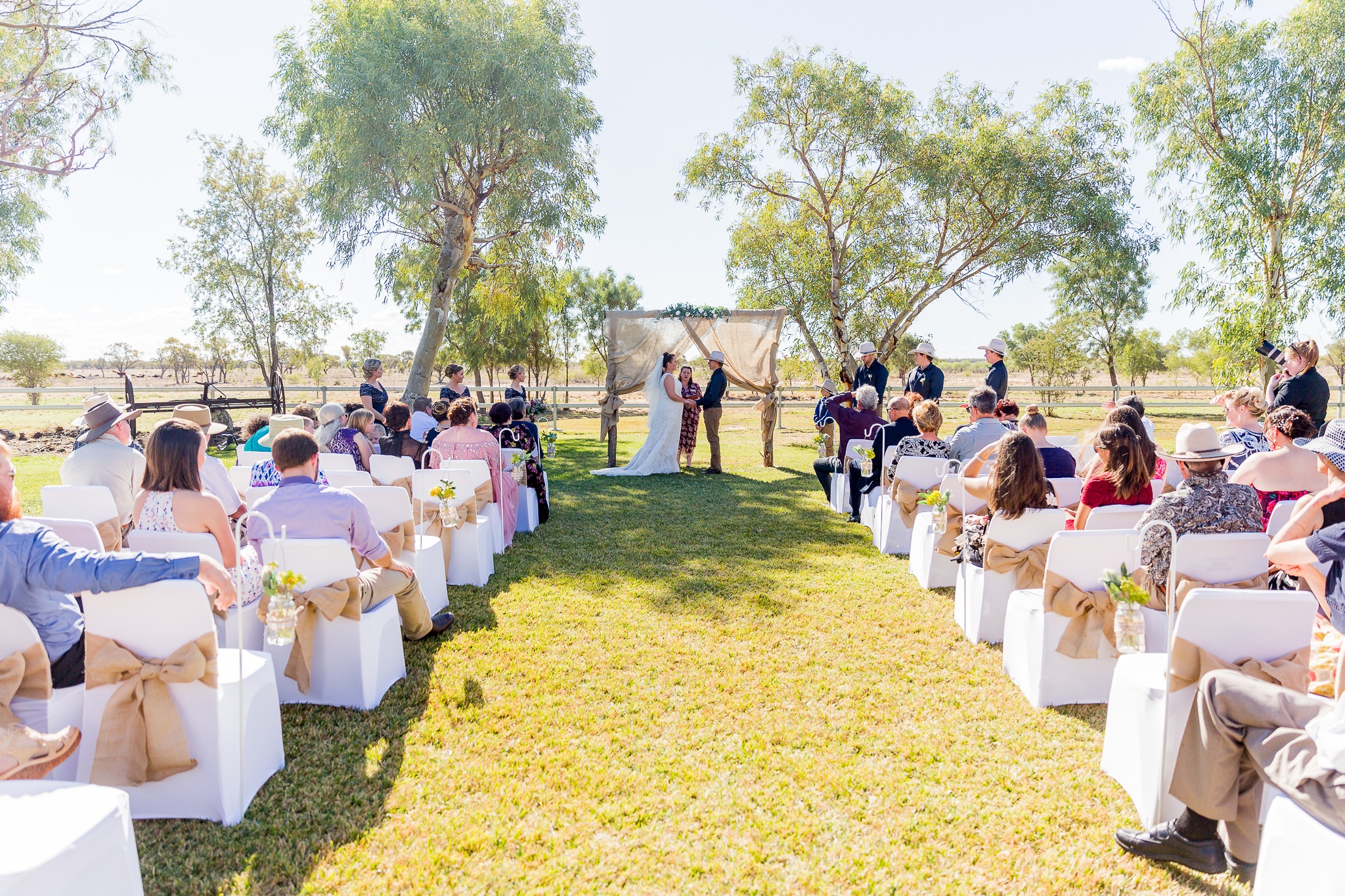
    Let’s be honest. Heat is just part of life here in Central West Queensland. I’ve photographed weddings in Winton, Mt Isa, and every town in between where temperatures hit 35°C or more. The sun often blazes from morning to night.

    When extreme heat meets a wedding day, you need a plan. Here is what I have learned after photographing hundreds of ceremonies in Outback Queensland conditions.

    Why heat matters for your wedding photography

    Hot weather affects the day in real ways. Equipment overheats. Skin gets shiny. People get tired. I have had to shut down a camera battery that was simply too hot to operate. I have also seen couples and guests become uncomfortably warm, which affects how the day flows.

    Knowing this helps me adjust my approach. I bring extra batteries. I know when to push for certain shots, and I communicate with the couple about what to expect.

    Practical tips for surviving a heatwave wedding

    Time your key photos for the golden hours

    In summer, the sun sits high and harsh for most of the day. This creates unflattering shadows and makes everyone squint. I always plan with the couple to schedule formal portraits during early morning or late afternoon. The light is better for photos, and the temperature is more manageable.

    If you are getting married at midday, we can still capture beautiful images. I will just adjust angles and use reflectors or shade wherever possible.

    Keep yourself hydrated and cool

    This sounds simple, but it makes a huge difference. I make sure there is water available for the wedding party during photos. I also keep a small fan on hand for quick refreshers between shots.

    For the couple and wedding party, wearing breathable fabrics helps. I have seen couples regret heavy lace and layers in 40°C weather. Think about comfort, not just style.

    What this means for your day

    On very hot days, the schedule naturally shifts. We build in more breaks. We prioritise the most important shots during the coolest times. I am not trying to squeeze every possible photo into the day. I want everyone to be comfortable and enjoy the moment.

    If you are planning a wedding in Outback Queensland, talk with your photographer about your venue and timing. We can adjust our plan together to work with the heat, not against it.

    You are already dealing with enough on your wedding day. Heat is something we plan for together.

  • Why We Photograph Newborns at Home

    Why We Photograph Newborns at Home

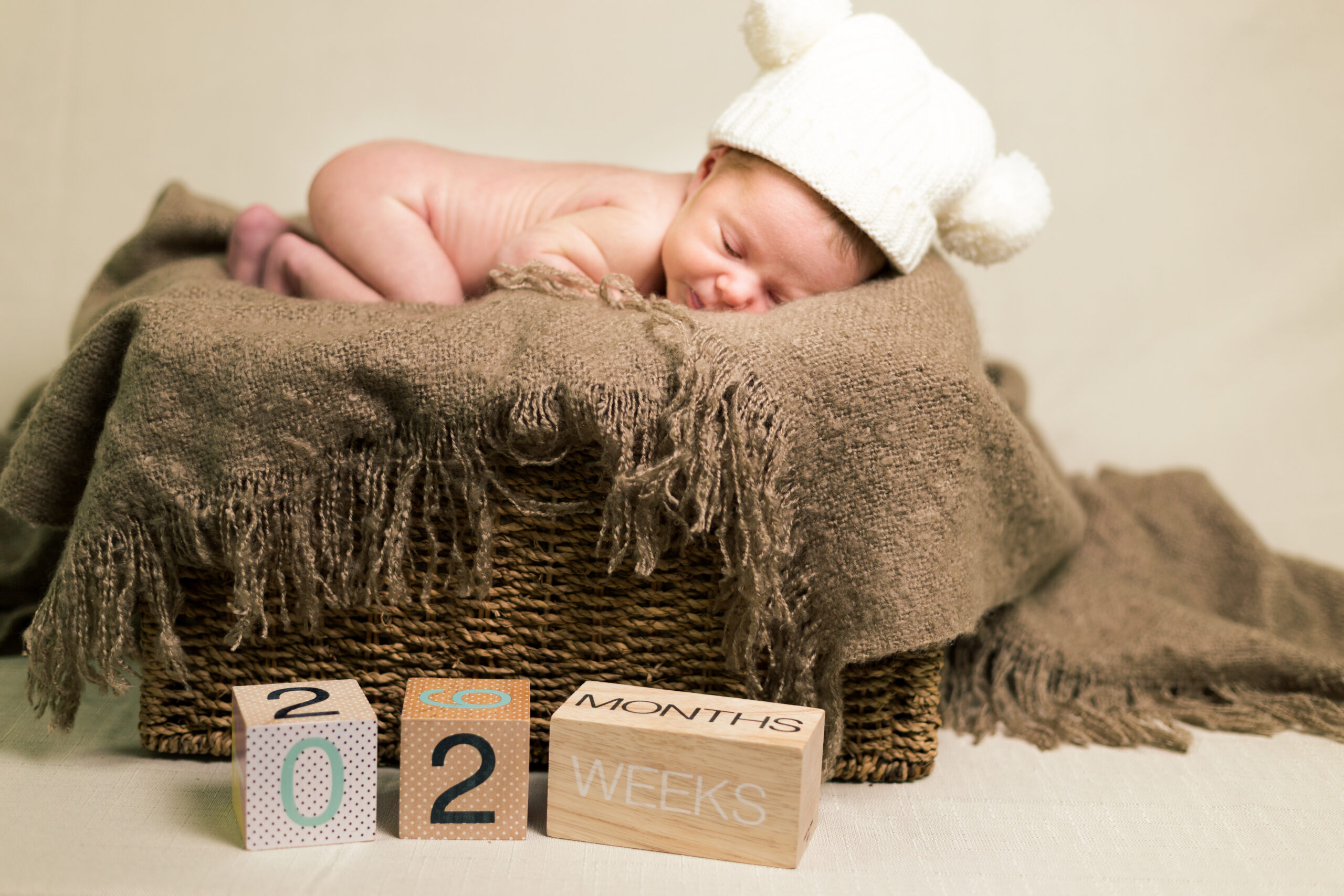
    When I’m planning a newborn session, location is one of the first things I consider. You might think I’m hunting for the perfect outdoor spot or studio backdrop. But when it comes to newborn photography, especially in Outback Queensland, I almost always recommend the safety and comfort of your own home.

    There are practical reasons for this that have nothing to do with aesthetics.

    Newborns are incredibly vulnerable in their first few weeks. They’ve just arrived in a world of loud sounds, bright lights, and unfamiliar temperatures. Keeping them in a place they already know—your bedroom, your living room, your family space—is the gentlest approach.

    Here’s what I look for when I visit your home to plan the shoot:

    Natural light sources. Newborn photos work best with soft, directional light. I’ll find a window with morning or late afternoon light where the shadows aren’t harsh. This matters more than fancy equipment. Good lighting means better photos without harsh flashes that can startle your baby.

    Temperature control. Newborns struggle to regulate their body temperature. I can’t control your home’s climate, so I ask that the room stay between 75-78°F during the session. Warm babies mean happy babies, and happy babies sleep more easily.

    Space to work. You might think you need a pristine nursery for newborn photos. You don’t. What I need is room for props, a safe place to lay your baby during poses, and clear pathways. Clutter-free doesn’t mean empty—it means there’s enough space for me to position safely without feeling cramped.

    Your comfort. Your baby can feel your stress. If you’re comfortable, resting between feedings, and supported during the session, that peace transfers to your newborn. I want this time to feel like part of your family routine, not a performance.

    For newborn photography in Central West Queensland and the wider Outback, the home environment protects your baby from travel stress, dust, and temperature changes. This isn’t just about comfort—it’s about safety and creating the right conditions for your baby to stay relaxed during poses.

    My approach is simple: I do my best work when your baby is calm and warm, and that happens most consistently in your own space.

    The result is photos that show your family as it really is. Natural, warm, and full of quiet moments that matter.

  • How Storytelling Creates Authentic Photos at Your Outback Wedding or Family Session

    How Storytelling Creates Authentic Photos at Your Outback Wedding or Family Session

    When I first started shooting weddings and family sessions in Outback Queensland, I realised something important. The best photos aren’t just pretty pictures. They tell a story.

    Here is what I mean by that.

    Storytelling in photography is about capturing moments that feel real, not posed. It means paying attention to what is actually happening, not just waiting for a perfect smile. I look for small details that matter. The way someone looks at their partner. A quiet moment between parents and kids. A genuine laugh you won’t get back. These are the things that make photos meaningful later.

    When we talk about storytelling before a shoot, I often hear couples and families wonder how that works in practice. Here is how I approach it:

    I spend time getting to know people first. A five-minute chat before clicking the shutter helps. I learn about your relationship, what matters to you, and what feels natural for your group. This isn’t about interviewing you. It helps me find where you feel comfortable.

    I watch for moments, not poses. Yes, I will direct the basics. But I also stand back. In the Outback, you have so much space. I use that. Sometimes a photo comes from you walking together, or a parent kneeling to a child’s level. It is in those unguarded seconds where I find the story.

    Tips for your session:

    Be yourself, not a version of yourself. You do not need to perform. If you are naturally quiet, that is okay. The most authentic photos come from who you actually are.

    Plan for a relaxed timeline. The more rushed you feel, the more visible it becomes. I always suggest allowing extra time for sessions. It means less stress and more breathing room to let moments happen.

    When I return from a session in Central West Queensland, I look through the images and sort them by story, not just by what looks best. The photos that matter most usually aren’t the ones you posed for. They are the ones where you forgot the camera was there.

    When we talk about storytelling, I mean we are building photos that feel like you, not like something you saw online. That is what makes these sessions work. That is what makes the photos last.

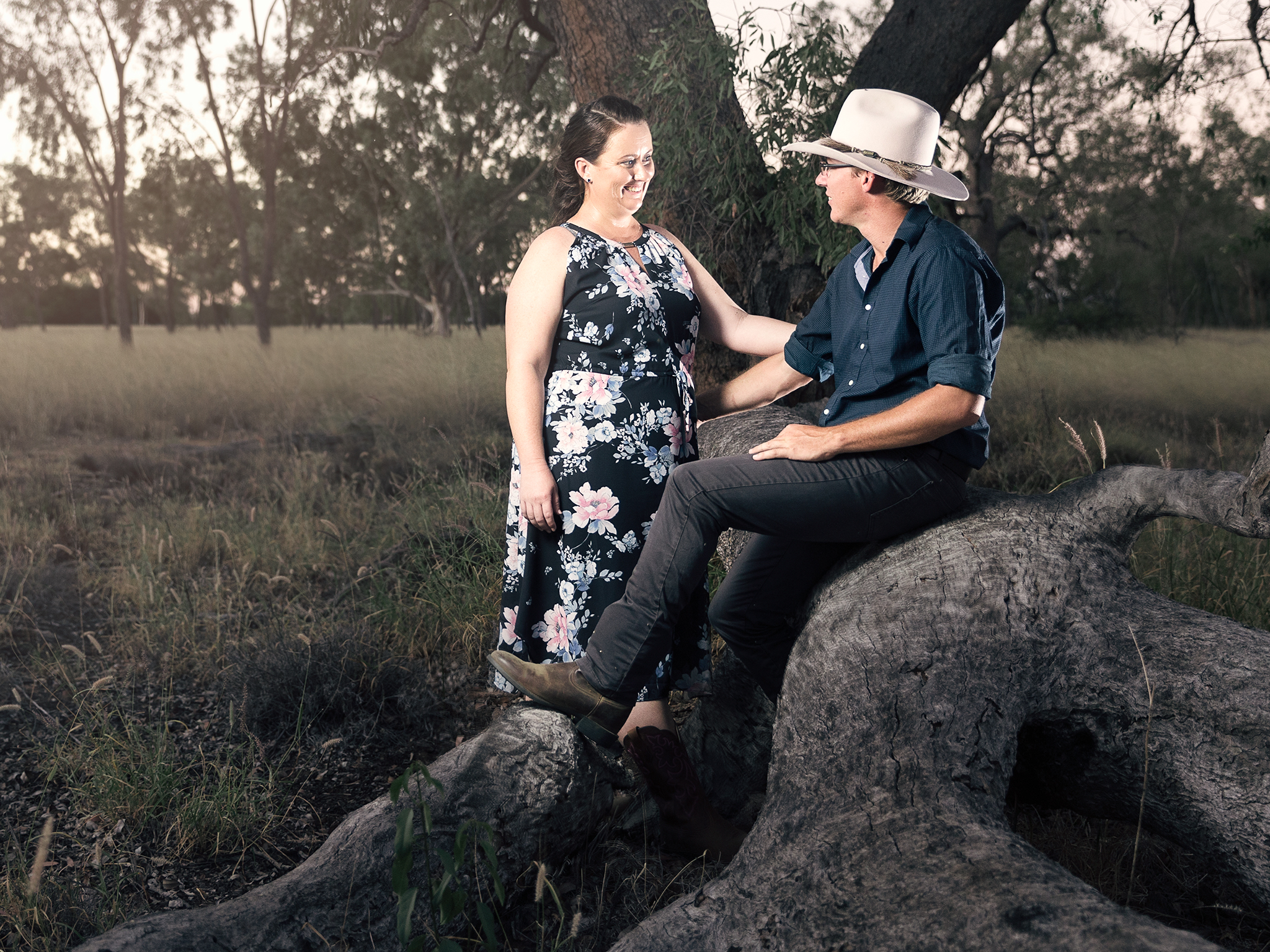
  • Less Time, More Magic: Why Short Engagement Sessions Work Well

    Less Time, More Magic: Why Short Engagement Sessions Work Well

    When I first started photographing engagements out here in Outback Queensland, I had the same idea most photographers have. That you need at least an hour or two to get the perfect shots. That you need lots of posing and direction and time to really get “into” the camera.

    I was wrong.

    Here’s what I’ve learned after photographing engagement sessions in Central West Queensland and across the Outback: a shorter session can be just as valuable as a longer one. And sometimes, it’s even better.

    ### Why I Now Prefer Shorter Engagement Shoots

    A two-hour session might sound impressive. But when you’re out here in the Outback, the landscape is your backdrop, not a stage. The best engagement photos happen when you stop thinking about being photographed and start being yourselves.

    That rarely takes ninety minutes.

    When you stretch a session out, you start to get tired. People ask about changing positions. They start wondering if they’re “getting it right.” The photos can become more about performance than connection.

    ### What Actually Happens in 45-60 Minutes

    In a short engagement shoot, we get to the important stuff faster. We talk about your relationship. We find a spot that works with the light. And then we shoot while the moment is fresh and real.

    I focus on capturing you looking at each other, not the camera. I keep things moving so you don’t have time to second-guess yourself. We get natural laughter, real conversation, and genuine connection. These are the photos that make sense on your wedding day, or in your home, years later.

    ### Practical Tips for Your Session

    Here’s what matters most for your engagement photos:

    **Come as yourself.** You don’t need a full outfit change. Comfortable clothes that feel like you work better than anything “photography specific.”

    **Plan for the light.** Outback Queensland light can be harsh midday. I typically shoot during golden hour in the morning or late afternoon for softer, more flattering photos.

    **Let go of the pressure.** The goal isn’t perfect poses. The goal is real moments. If we take thirty minutes to get five great photos, that’s better than an hour of stiff, forced shots.

    A short session keeps the focus where it belongs: on you and your relationship, not on the camera or the clock.

    That’s the kind of engagement photography I do out here in the Outback. Real moments over perfect setups.

  • Seasonal Changes and Your Outback Wedding Photos

    Seasonal Changes and Your Outback Wedding Photos

    I’ve been photographing weddings across Central West Queensland for years, and I can tell you something important: the season your wedding falls in really changes your photos.

    This isn’t about saying certain seasons are better than others. It’s about understanding what you are working with and planning accordingly.

    Outback Queensland weather is different from what you might be used to. The light, the heat, and the conditions change dramatically through the year. When you know these things ahead of time, you can make decisions that help your day go smoothly.

    Here are a couple of things to think about when planning your wedding photography around seasonal changes.

    Plan Around the Light
    I’ve learned over years of photographing weddings that the quality of light shifts with the seasons. In summer, the sun climbs high and stays hot for longer. This means midday photos can look harsh, with deep shadows and squinting guests.

    If you’re planning a Winton wedding during summer months, consider an earlier start or later finish for outdoor shots. The golden hour still arrives, but the timing shifts. I often suggest getting the portrait work done when you feel most comfortable, not when you think you should.

    Dress and Weather Compatibility
    What you wear can make a real difference in how you feel—and how the photos turn out—when the weather changes. In outback conditions, fabric choices matter more than style points.

    For summer weddings, lightweight fabrics keep you comfortable through long outdoor sessions. For winter months, I recommend bringing layers. A jacket or wrap might look practical, but you can still look great on camera if you plan it in.

    Be Flexible With Outdoor Plans
    The Outback doesn’t always follow a schedule. If you’re having a wedding in Longreach or another town during the hotter months, have a backup plan for outdoor portraits. This doesn’t mean you’ll use it, but having one reduces stress if conditions change.

    I’ve seen couples get frustrated when plans were set in stone and then the weather forced a change. The couple who adapted found themselves relaxing into the day, which is exactly what you want when the camera is rolling.

    What This Means For You
    Seasonal planning is about preparation, not perfection. Understanding how seasons affect your outdoor conditions helps you make better decisions on the day. The most important thing is that you feel comfortable and can focus on each other.

    Your photos will capture that feeling of ease far better than any perfect lighting setup.